Lawn Mowing in Montville, Connecticut

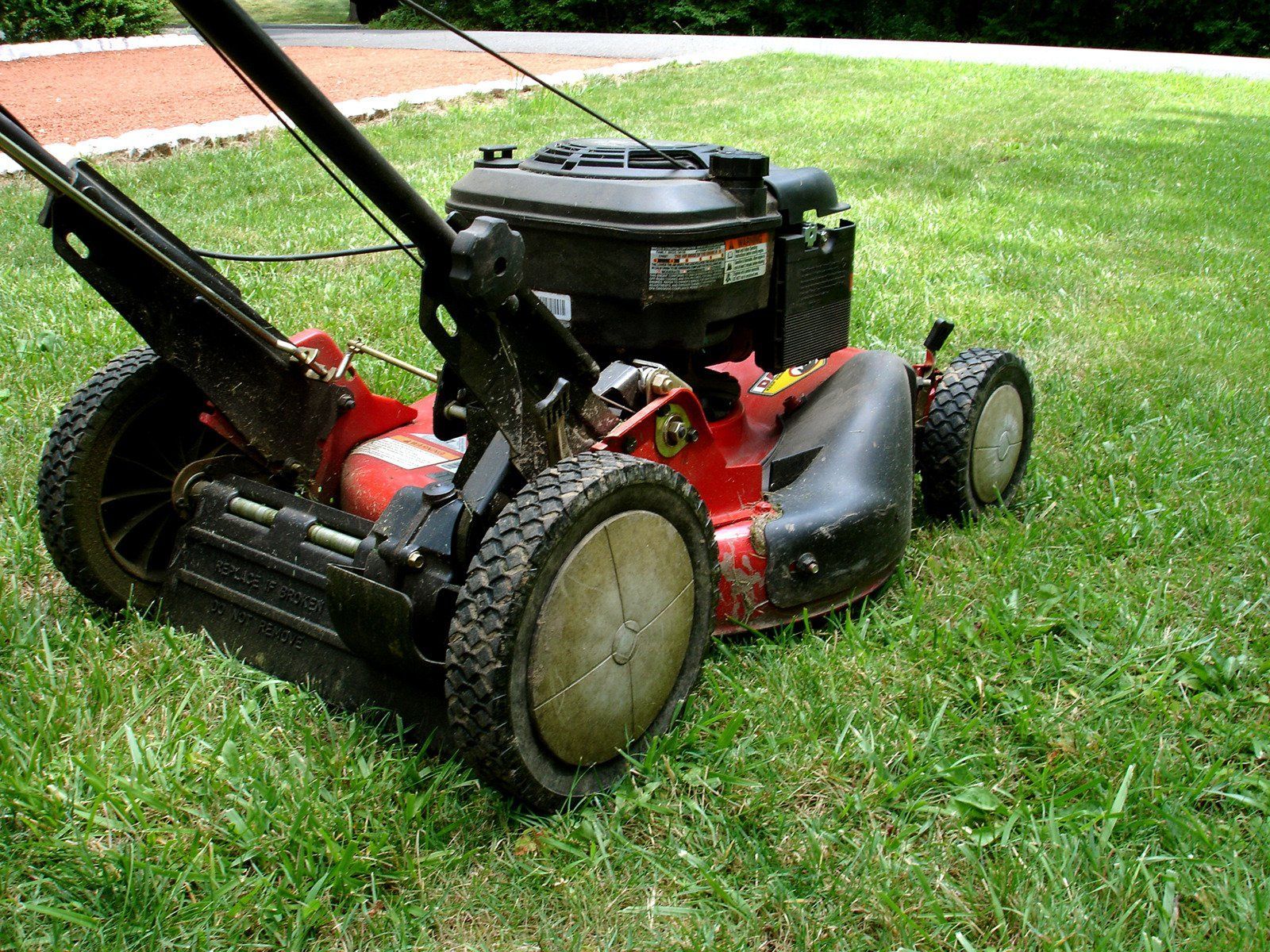
Consistent Lawn Mowing That Supports Healthy Turf Performance
A well-maintained lawn reflects discipline, care, and long-term planning rather than chance or short-term effort. Grass responds continuously to sunlight, moisture levels, soil composition, and seasonal stress. Without consistent mowing, turf weakens, weeds spread aggressively, and uneven growth creates hidden problems beneath the surface. Lawn mowing is not only about appearance; it regulates growth patterns, strengthens root systems, and preserves usable outdoor spaces. At J & J Property Improvement, lawn mowing is treated as a foundational maintenance practice shaped by 7 years of hands-on landscaping experience and a deep understanding of turf behavior and growth cycles.
We serve Montville, Connecticut, along with nearby communities including Uncasville, Oakdale, Norwich, and Waterford. Across New London County, lawns face humid summers, frequent rainfall, and freeze-thaw cycles that place ongoing stress on turf systems. Rapid spring growth, summer heat, and autumn leaf buildup all influence mowing frequency and grass health. Southeastern Connecticut lawns require mowing practices adjusted to local climate conditions rather than irregular cutting that weakens turf resilience and compromises long-term performance.
Our team focuses on mowing techniques that promote uniform growth and lasting turf stability. Each visit accounts for grass height, growth rate, soil moisture, and seasonal timing before cutting begins. This approach prevents scalping, soil exposure, and stress-related thinning that often leads to weed intrusion. The goal extends beyond neat appearance, supporting healthier lawns that drain properly, resist invasive growth, and remain usable throughout the growing season. Proper mowing creates outdoor spaces that feel controlled, functional, and consistently maintained rather than uneven, overgrown, or neglected over time.
Our Lawn Mowing Services
Scheduled Lawn Mowing
Scheduled lawn mowing maintains consistent grass height throughout the growing season. Regular visits prevent overgrowth and turf stress. Consistent scheduling supports healthy growth patterns, balanced appearance, predictable lawn performance, and reliable maintenance routines that keep turf manageable, resilient, and visually uniform over extended seasonal periods.
Precision Cutting Techniques
Precision mowing techniques ensure even cuts without tearing grass blades. Sharp equipment promotes clean edges and faster turf recovery. Proper cutting reduces disease risk, minimizes stress, and supports uniform turf density across lawn areas, improving appearance and long term grass health throughout regular mowing cycles.
Seasonal Height Adjustments
Grass height requirements change throughout the growing season. Seasonal adjustments account for heat, moisture levels, and growth rate. Proper height management supports drought tolerance, stronger root development, improved moisture retention, and overall turf resilience during changing weather conditions and environmental stress periods.
Edge and Border Trimming
Edge and border trimming refines lawn boundaries and prevents grass encroachment into adjacent areas. Clean borders improve visual definition and reduce maintenance overlap. Trimmed edges support orderly lawn presentation, protect landscape structure, and maintain a polished appearance over time consistently.
Clipping Management
Grass clippings are managed to prevent buildup, matting, and turf suffocation. Proper dispersal returns valuable nutrients to the soil naturally. Effective clipping management supports healthier turf growth, improves soil fertility, and maintains lawn cleanliness without creating excessive debris or uneven surface conditions.
Lawn Condition Monitoring
Each mowing visit includes visual monitoring of overall turf condition. Early detection of stress, thinning, or irregular growth supports timely adjustments. Ongoing monitoring helps maintain lawn health, consistency, and stability throughout seasonal transitions and varying environmental conditions over time.
Benefits of Professional Lawn Mowing
Promotes Healthy Grass Growth
Regular lawn mowing encourages consistent grass growth by maintaining proper blade height. Controlled cutting prevents stress and supports photosynthesis. Healthier grass develops stronger root systems, resists weed invasion, and maintains uniform density across the lawn throughout the active growing season without thinning.
Prevents Weed Encroachment
Proper lawn mowing limits weed growth by preventing seed formation and reducing overcrowding. Consistent height management minimizes open spaces where invasive plants establish. Dense, healthy turf naturally suppresses weeds, slowing spread and maintaining balanced lawn coverage over time with fewer corrective treatments.
Enhances Lawn Appearance
Routine lawn mowing creates clean, even turf surfaces that elevate overall property appearance. Uniform grass height improves visual appeal and prevents patchy growth patterns. Well-maintained lawns present a polished, orderly look that complements surrounding landscape features and reinforces consistent outdoor care.
Supports Soil Protection
Maintaining correct mowing height protects underlying soil from excessive sun exposure and erosion. Grass coverage shields soil structure, improves moisture retention, and limits compaction. Protected soil promotes healthier root systems, better nutrient absorption, and long-term turf performance across changing seasonal conditions.
Improves Lawn Usability
Consistently mowed lawns remain accessible, safe, and functional for everyday use. Even turf surfaces reduce tripping hazards and improve comfort. Usable lawns support recreation, gatherings, and routine outdoor activities without obstruction or uneven growth interfering with movement and enjoyment.
Reduces Long-Term Lawn Damage
Skipping mowing or cutting too aggressively places unnecessary stress on turf. Proper mowing schedules prevent scalping, thinning, and shock. Reduced stress lowers disease risk, supports recovery, and minimizes the need for corrective lawn treatments or restoration efforts later.
Reliable Mowing Practices Designed for Uniform, Resilient Lawns
Lawn mowing shapes how turf grows, responds, and endures over time. In Montville, Connecticut, seasonal weather patterns demand consistency rather than occasional cutting to maintain healthy lawns. At J & J Property Improvement, lawn mowing reflects 7 years of experience centered on turf health and disciplined care practices. Our team prioritizes proper height, timing, and technique to support resilient lawns through changing seasons. Consistent mowing reduces stress, limits weed spread, and preserves usable outdoor spaces for everyday activity.
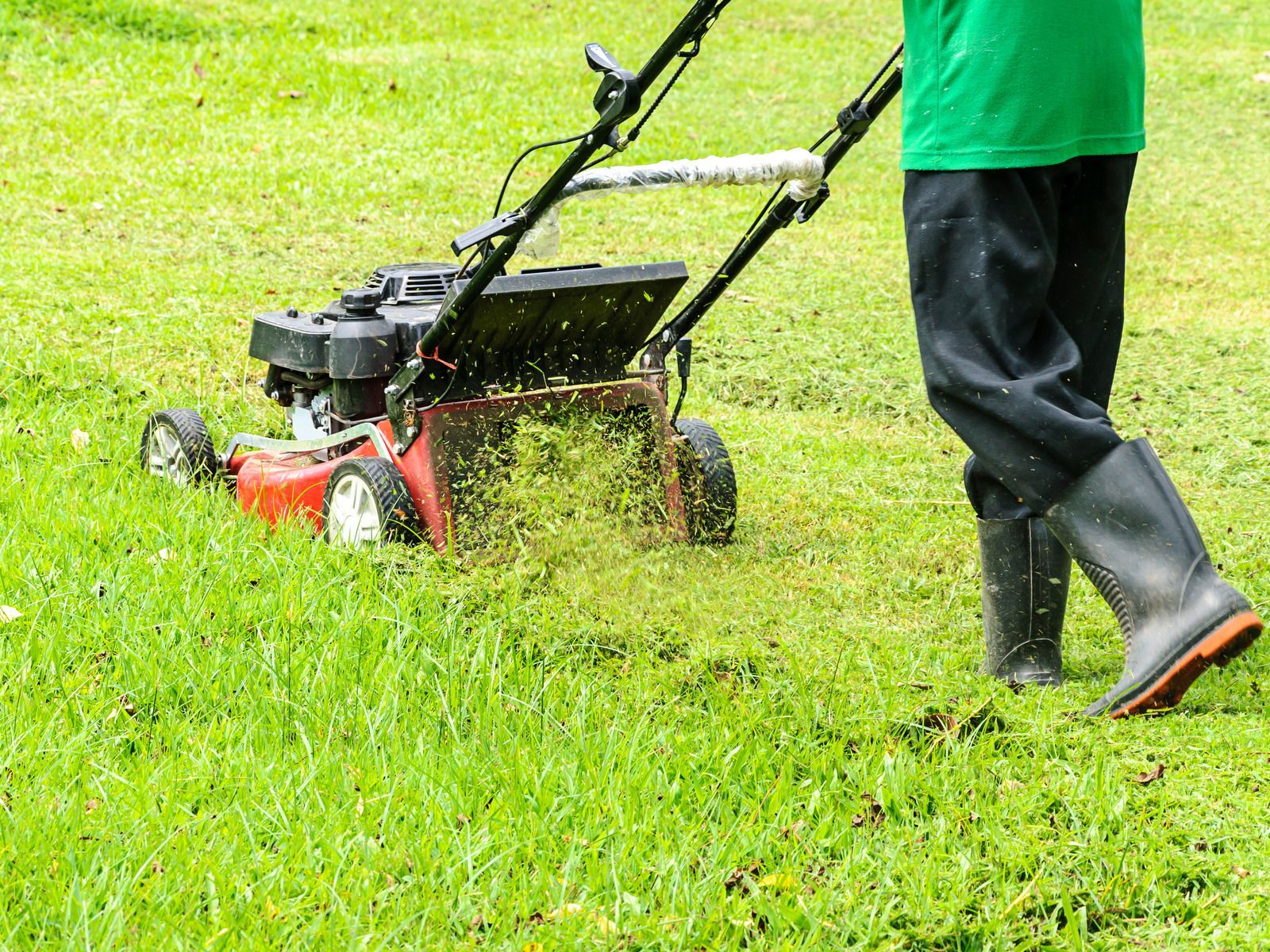
Well maintained lawns enhance property appearance while supporting soil protection and long term performance. Investing in professional lawn mowing keeps turf balanced, accessible, and healthy rather than reactive or deteriorating. Thoughtful mowing practices create lawns that grow evenly, recover efficiently, and remain visually consistent without unnecessary corrective treatments or restoration efforts later.
Frequently Asked Questions
How often should a lawn be mowed?
Most lawns require mowing once per week during active growth periods. Frequency depends on grass type, weather patterns, and seasonal conditions. Regular mowing prevents overgrowth, reduces turf stress, and maintains healthy lawn structure, density, and appearance throughout the growing season for long term performance.
Does mowing height affect lawn health?
Yes. Proper mowing height supports photosynthesis and root development. Cutting grass too short weakens turf, increases weed pressure, and exposes soil. Maintaining recommended height promotes thicker growth, better moisture retention, and improved resilience against heat, drought, and environmental stress over time.
Can lawn mowing help prevent weeds?
Consistent lawn mowing limits weed seed development and reduces open space for invasive plants. Dense, healthy turf naturally suppresses weeds by crowding them out. Proper mowing schedules strengthen grass coverage and support long term weed resistance without relying solely on chemical treatments.
Should mowing change during summer heat?
Yes. During summer heat, grass should be cut slightly higher to reduce stress and retain moisture. Seasonal mowing adjustments protect turf from heat damage, drought conditions, and thinning, helping lawns remain resilient and recover more effectively during high temperature periods.
Is mowing necessary during cooler seasons?
Mowing frequency decreases during cooler seasons but remains necessary while grass continues growing. Proper fall mowing prevents excessive growth, prepares turf for dormancy, and supports healthier spring regrowth by reducing stress and encouraging stronger root development before winter conditions arrive.
What happens if lawns are not mowed regularly?
Irregular mowing leads to uneven growth, weakened turf, and increased weed presence. Overgrown grass stresses root systems, shades lower blades, and creates maintenance challenges that often require corrective treatments to restore lawn health and appearance later.
Why choose J & J Property Improvement for lawn mowing in Montville, Connecticut?
J & J Property Improvement provides lawn mowing in Montville, Connecticut backed by 7 years of landscaping experience. Our team emphasizes consistency, turf health, and climate aware mowing practices to maintain reliable lawn performance, balanced growth, and long term property appearance.
Do you evaluate lawn condition during mowing?
Yes. Lawn condition is evaluated during each mowing visit. Observing growth patterns, moisture levels, and stress indicators allows adjustments in cutting height or frequency, supporting healthier turf development and maintaining long term lawn stability throughout changing seasonal conditions.
What our customers have to say...
Testimonials